A Lesson I Learned the Hard Way in Overemployment
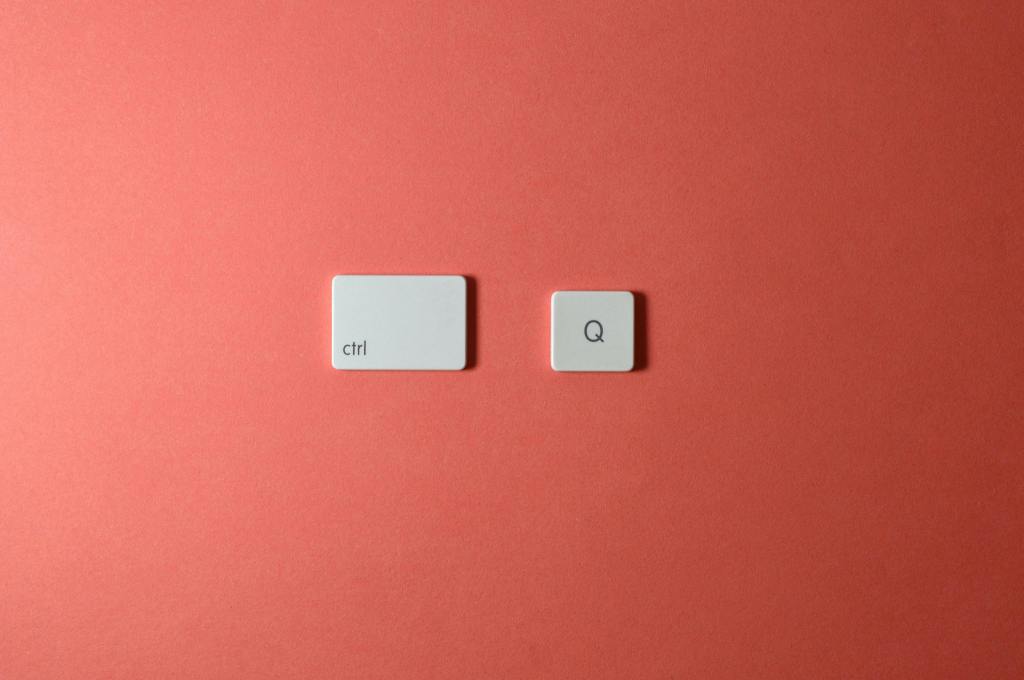
There was a point in my overemployment journey when I thought I had it all figured out. Two full-time jobs, both remote, both manageable. At least for a while.
But as the weeks turned into months, fatigue crept in. The novelty wore off. The mental juggling act of two sets of meetings, two MS Teams accounts, two performance reviews in the same quarter, all started to weigh me down.
And that’s when the temptation kicked in:
What if I just quietly stopped trying in one of them?
Not quit. Just… quiet quit. Do the bare minimum. Stay just visible enough to keep the paycheck coming, without actually investing effort.
If you’re in the overemployment world, you know the thought.
And here’s what I’ll say from experience:
It seems smart…until it wasn’t.
The Slow Fade Feels Harmless… At First
I quiet quit my remote J2 as a way to cope with the demanding workload. I accepted fewer meetings, which meant less facetime with my demanding manager. No obvious metrics were being tracked. It felt like the safe one to coast on while recuperated some energy to spend in my other life.
I still showed up. Kind of. Responded to messages. Occasionally contributed something halfway decent. But I wasn’t really there.
At the time, it felt like a low-risk tradeoff. After all, I was still getting my work done. And no one seemed to notice or care…until they did.
Quiet Quitting Comes With Invisible Risks
Here’s what I didn’t think about in the moment:
- Trust erodes gradually. Even if no one calls it out, people start to feel when you’ve checked out. You become the person who’s “hard to get ahold of” or “kind of disappears.”
- Performance reviews still happen. I got a “Developing” rating that year—and it felt adequate. That was my first signal that I’d been noticed, but not in a good way.
- Layoffs are strategic. When budgets tighten, they cut the low-engagement people first in hopes to get someone who is more influential, even if they both do the same output of work.
The worst part? I hadn’t even officially decided to leave that job. I was just keeping it on life support while I figured things out.
It Wasn’t Sustainable
Eventually, I had to admit it: I was doing just enough to not get fired, but not enough to be proud of my work. That’s not a good place to operate from—no matter how clever you think you’re being.
And honestly, it didn’t feel good. I started to dread logging in. Felt defensive during meetings. Worried I’d be found out.
Quiet quitting wasn’t just unproductive—it was a slow erosion of integrity.
Not because I was a bad person, but because I was lying to myself about the tradeoffs.
It ultimately let to my dismissal, which from my manager’s point of view, I can sympathize with. I also burned a bridge for getting a reference for my next job – but more on that later.
What I Wish I Had Done Instead
Looking back, here’s what I wish I had done:
- Made a decision sooner. Either recommit to the role, or plan an intentional exit.
- Communicated boundaries clearly. Sometimes performance dips are fixable when you’re honest about bandwidth.
- Trusted myself to downsize instead of ghosting a role I had once been excited to get.
Quiet quitting isn’t a real strategy. It’s just avoidance with a time limit.
My Advice to Anyone Managing Multiple Jobs
If you’re overemployed right now and feeling tempted to coast in one job while pouring your energy into another, here’s what I’d ask you:
- Is this temporary or turning into a pattern?
- Are you making a strategic move or just stalling out of fear or fatigue?
- Would you be okay (emotionally, financially) if this job ended tomorrow?
If the answer to that last one is no, then you owe it to yourself (and to the people paying you) to either re-engage or bow out professionally.

Final Thought: Don’t Let a Temporary Solution Create a Long-Term Regret
Overemployment requires a level of intentionality that most jobs don’t. You’re walking a tightrope and quiet quitting is like closing your eyes while doing it.
Back to Exit Strategy
 Double Clocked