Why You Shouldn’t Rush into Another Overemployment Situation
If you’ve just left an overemployment setup, you’re probably feeling a strange mix of freedom, exhaustion, and maybe even guilt. Or maybe even fear of not being able to sustain a lifted lifestyle after getting used to extra income. It’s tempting to fill that empty space again right away. The structure, the paycheck, the sense of productivity – they all pull at you. But before you jump back into managing multiple jobs at once, it’s worth taking a moment to reflect first. That open space in your calendar might seem like a problem you need to solve right away.
But this is exactly the moment to pause. Resist the reflex to fill the void. Don’t let urgency or discomfort trick you into rebuilding the same unsustainable system you just left behind.
Here’s why taking your time matters—and what to consider before jumping back in.
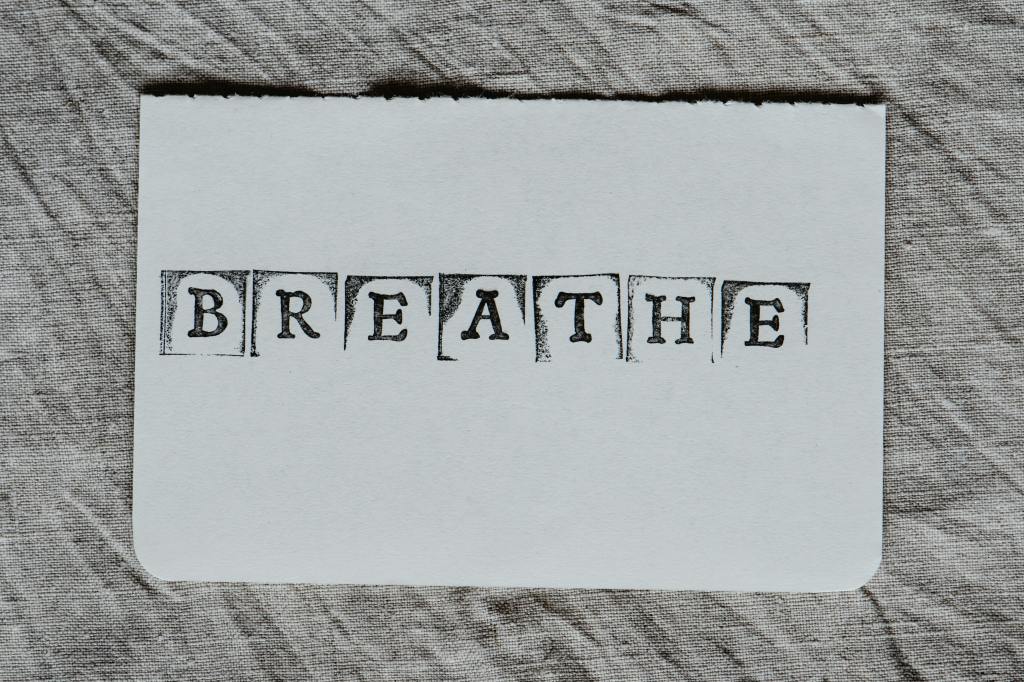
Recovery Isn’t Laziness
Overemployment asks a lot. Juggling multiple roles means you’re constantly context-switching, managing overlapping responsibilities, and rarely turning your brain off. That level of effort creates invisible wear and tear—mentally, physically, and emotionally.
When you step away, there’s often a disorienting silence. You might feel unproductive. Lazy, even. But what you’re actually experiencing is recovery.
Let your body reset its stress baseline. Let your brain rediscover what it feels like to focus on one thing at a time. Give yourself permission to rest without guilt.
Rest isn’t optional. It’s the maintenance your system needs in order to operate well over the long term. If you treat recovery like a reward you haven’t earned, you’re going to run yourself into the same wall again and probably sooner than last time.
Reflect on What Went Wrong
Not every overemployment story ends badly, but if you left, something likely wasn’t sustainable, so take an honest inventory.
Where did things start to break down? Was it the workload? Communication problems? A lack of boundaries? Maybe it was more personal: relationships slipping, burnout creeping in, missing time with family or friends, or losing interest in work that once motivated you.
Reflection isn’t just about identifying what didn’t work—it’s about understanding what would need to change for you to ever consider something similar again. What guardrails were missing? What warning signs did you ignore?
It’s easy to think, “Next time I’ll just manage it better.” But unless you truly understand what pushed things off track, you risk repeating the same dynamic with a new cast of characters.
Don’t Mistake Busyness for Fulfillment
In overemployment culture, it’s easy to confuse being busy with being fulfilled. Mistaking activity for progress is one of the easiest traps to fall into, especially in high-performance or hustle-focused cultures. When you’re overemployed, you’re always doing something, and that pace can feel productive and at times, even meaningful.
But take a step back. Was all that busyness actually moving you toward something important? Or was it just noise that kept you distracted?
Fulfillment looks different. It’s deeper than a packed schedule or a growing bank balance. It often involves doing work that challenges you, aligns with your values, and fits into a life that feels whole—not just full.
If you’re craving stimulation or a sense of accomplishment after stepping away from overemployment, that’s understandable. But don’t confuse that craving with a need to be busy again.
Money Is Important, but So Is Sanity
Overemployment often starts as a financial decision because let’s be real: money matters. For many, overemployment is a strategy to pay off debt, build savings, support a family, or reach financial freedom faster. Those goals are legitimate. But there’s a tipping point.
The income boost can quickly lose its impact if it comes at the expense of your mental health, your relationships, or your ability to enjoy the life you’re working so hard to build.
Before rushing into a new overemployment situation, ask: What’s the money actually for? Is it solving a real need, or are you chasing numbers just because you can?
You might discover that a smaller income paired with less stress creates a better quality of life than the constant pressure of double duty. Sometimes the saner choice is the more sustainable one, even if it doesn’t look as impressive on paper.
Build Intentionally, Not Reactively
After leaving a high-output season, it’s easy to build your next phase out of habit. You’re used to running at a certain speed. You’re used to saying yes to every opportunity. So when a new role or side hustle pops up, your instinct might be to grab it without pause.
But not every good opportunity is the right opportunity. Not every income stream is worth the cost.
This is your chance to be intentional. If you decide to build something new, make it something that fits your current values and priorities, not just something that fills space.
Maybe you want to consult. Maybe you want to freelance or start a small business. Maybe you want to work one job and actually have evenings again. Whatever it is, build it like you would design a home you actually want to live in: on purpose, with care, and with limits.
Final Thought
There’s a quiet that comes after stepping away from an overemployed life. That silence can feel awkward at first. Even frightening. But it’s not your enemy.
The space between jobs, between projects, between chapters: it’s where clarity lives. It’s where burnout heals, where vision returns, where new priorities reveal themselves.
So don’t rush to drown it out. Let it speak. Let it teach you what your busy schedule never had time to.
You don’t need to start over, but you can start differently.
Back to Exit Strategy
 Double Clocked